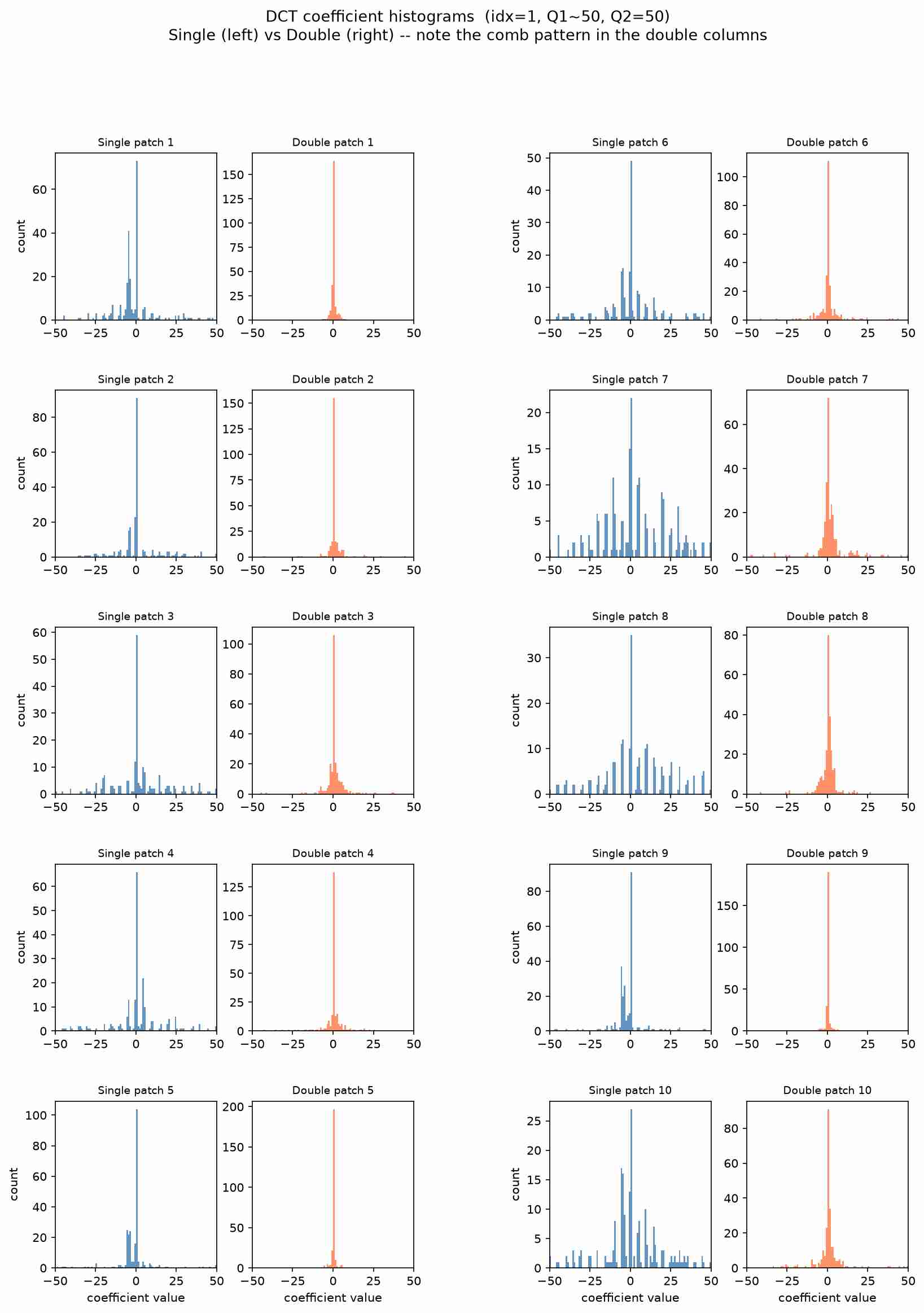
🔹 Image Forgery Detection using Compression Coefficient Analysis
A JPEG image that has been edited and re‑saved leaves a subtle statistical scar in its frequency domain. Consider the two example images generated by our pipeline: sample.jpg, which is a single JPEG compression, and...
Blog
🔹 Model Quantization
Deploying deep learning models on resource‑constrained devices demands a careful trade‑off between predictive performance and computational efficiency. Quantization – the process of reducing the numerical precision of...
Blog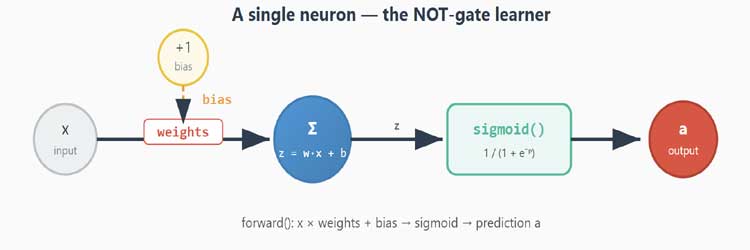
🔹 Artificial Neural Network: from scratch
Every time you unlock your phone with your face, ask a virtual assistant a question, or let a self-driving car navigate traffic, you are relying on a technology inspired by the most complex structure in the known...
Blog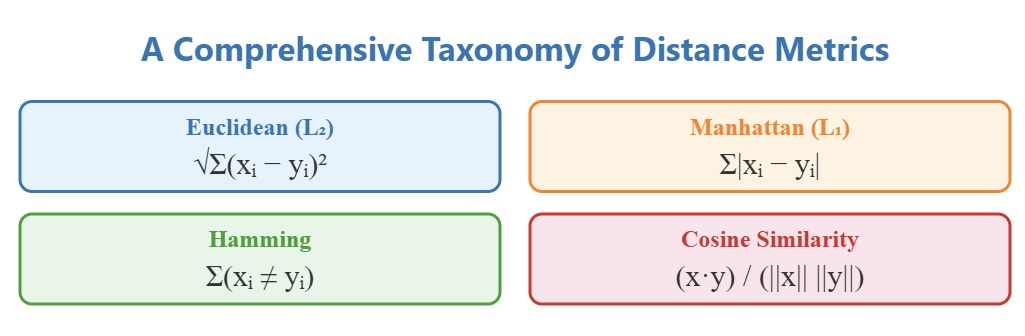
🔹 Cost Functions and Distances
At the heart of every machine learning algorithm lies a cost function (also called a loss function or objective function). It is the compass that guides learning: a mathematical measure of how far the model's...
Blog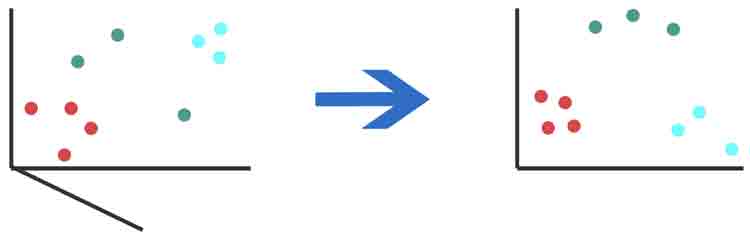
🔹 Dimension Reduction Taxonomy
In the era of big data, high-dimensionality is both a blessing and a curse. While rich feature spaces capture nuanced patterns, they also introduce the curse of dimensionality: data becomes sparse, distances lose their...
Blog
🔹 Neural Networks Taxonomy
In little more than a decade, neural networks have moved from an academic curiosity to the engine behind image search, machine translation, protein-structure prediction, and the conversational assistants millions now...
Blog🔹 Introduction to LLM
Few technologies have captured the public imagination — and the research community’s energy — as profoundly as Large Language Models. From chatbots that converse with uncanny fluency to pair programmers that write...
Blog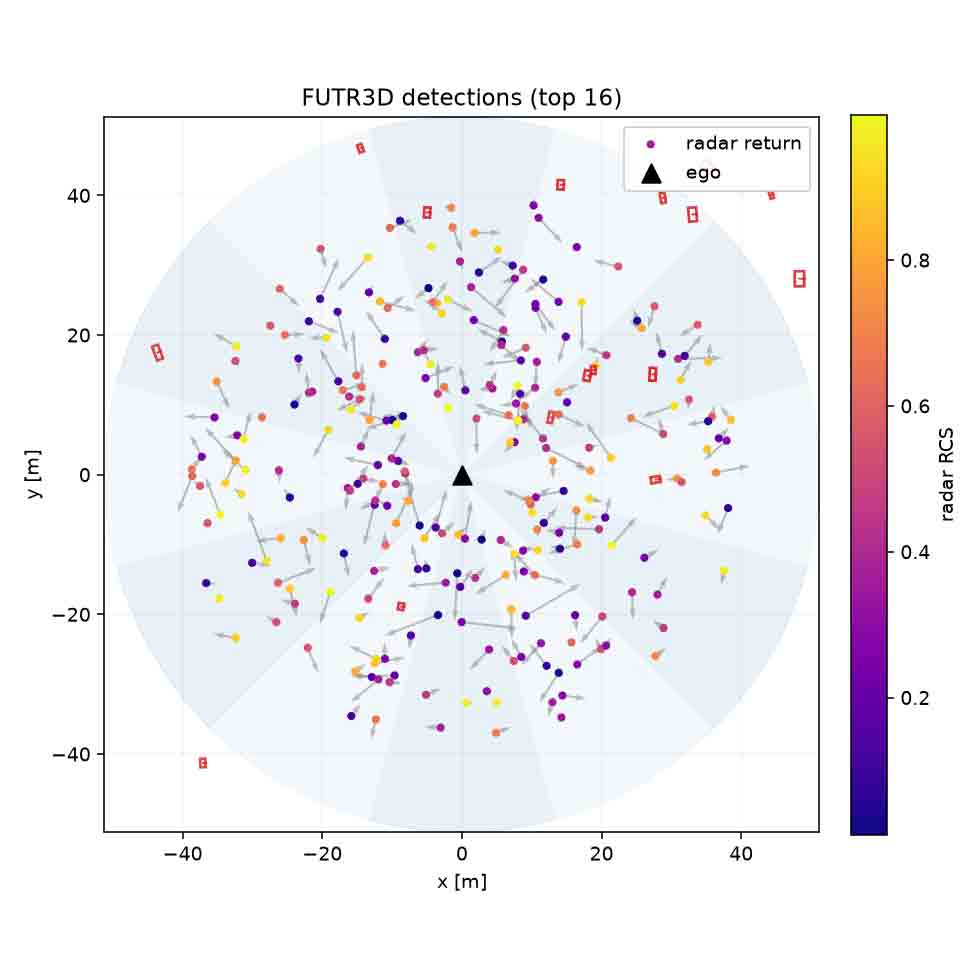
🔹 FUTR3D Data Fusion
Most 3D object detectors are welded to their sensors: a camera-only model and a camera+radar model share almost nothing, so adding radar means retraining a different network from scratch. FUTR3D[1] breaks that coupling...
Blog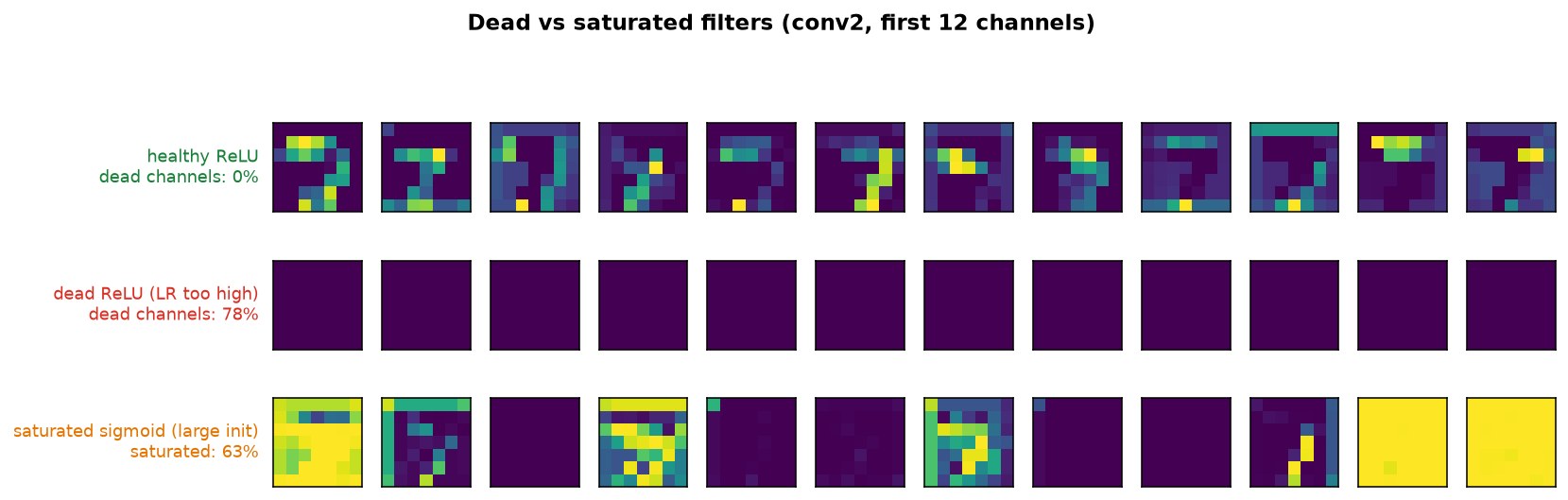
🔹 Debugging Deep Neural Networks
Your handwritten-digit classifier reports 96% and you ship it. But a single accuracy number hides everything that matters: a layer whose filters are all dead, a nonlinearity pinned in saturation, inputs that were never...
Blog